From the blog
Gotu Kola and Memory: What the Evidence Actually Says
Gotu kola (Centella asiatica) is sold far and wide for memory and thinking. Memorial Sloan Kettering’s summary reports that a meta-analysis found the evidence for cognitive function too weak, and that bigger studies are needed. There are rare reports of liver toxicity, and it may interact with some medicines.
What gotu kola is
Gotu kola, Centella asiatica, is a small creeping plant of the parsley family that grows in damp ground across Asia and in other regions. Ayurvedic and Chinese medicine have used it for centuries, and in some cuisines its leaves are eaten as a vegetable.
You can now buy it as capsules, teas, creams and liquid blends. Supplement makers usually promote it for three things: circulation, skin and wound healing, and thinking.
| Traditional or marketed use | Evidence summary (MSK) |
|---|---|
| Circulation / venous insufficiency | Traditional use |
| Wound healing | Traditional use; topical research |
| Cognition and memory | Meta-analysis: not strong enough evidence |
What the research says about memory
Memorial Sloan Kettering’s integrative medicine database notes that a preliminary study suggested possible benefits, but a meta-analysis did not find strong enough evidence to support gotu kola for improving cognitive function (MSK About Herbs: Gotu Kola).
Put simply, a handful of small studies looked hopeful, but once researchers pooled the results the case fell apart. What is still missing is larger, well-designed trials.
Why the hype outruns the data
Many “brain” products include gotu kola because it carries an old traditional reputation and costs little to add. The marketing tends to repeat the traditional claims and drop the research caveats.
Results in the lab or in animals can look striking and then fail to show up in people. With herbs, that gap between early promise and human proof is the rule more often than the exception.
Side effects and liver reports
MSK lists skin rash, contact dermatitis and liver toxicity among the side effects, and there are case reports of liver damage after Centella asiatica taken by mouth. The cases are rare but serious.
Yellowing of the skin or eyes, dark urine, pale stools, belly pain and unusual tiredness can all point to a liver problem. If you notice any of them, stop and see a doctor.
Drug interactions
According to MSK, gotu kola may block several cytochrome P450 enzymes, which the liver uses to break down many drugs. How much that matters in practice is not yet known, but it is a good reason to ask a pharmacist if you take medicines every day.
| If you take… | Why ask first |
|---|---|
| Several prescription drugs | Possible enzyme interactions |
| Medicines hard on the liver | Added liver risk |
| Sedatives | Traditional reports of sedative effects |
| Anything long-term | Always worth a pharmacist check |
Gotu kola in MemoFlow
Gotu kola sits fifth of the six herbs in the MemoFlow 195 mg proprietary blend. A blend is listed from the heaviest ingredient to the lightest, so gotu kola is one of the smaller shares, and neither its amount nor any standardization is published.
The rest of the blend is mostly circulation and heart herbs, such as horse chestnut (NCCIH fact sheet: Horse Chestnut) and butcher’s broom (MSK About Herbs: Butcher's Broom). That leaves gotu kola carrying most of the “memory” message on a small part of the formula.
If you decide to try it
- Check with your doctor, especially about your liver and medicines.
- Pick products that print the amount and the type of extract.
- Jot down a short note on focus and memory each week.
- Stop at once if you get a rash, belly pain or yellowing.
- Judge it after several weeks, not days.
What helps memory more reliably
Habits have much stronger evidence than any one herb. Sleeping regularly, staying active, keeping blood pressure under control, treating hearing loss and keeping your mind and social life busy are all tied to better brain health over the years.
A supplement can be a small piece of that, but it is no replacement for the basics, or for a doctor’s visit when memory problems are new.
How gotu kola is sold
Gotu kola comes as dried-leaf tea, capsules of ground leaf, standardized extracts and liquid tinctures. A standardized extract usually names a percentage of compounds called triterpenes or asiaticosides, while an unstandardized product can vary a great deal in strength.
When a label puts gotu kola inside a blend with neither an amount nor a standard, there is very little to judge it by, and that describes most multi-herb “brain” liquids.
| Form | What to look for on the label |
|---|---|
| Standardized extract | Amount and % of key compounds |
| Powdered leaf | Amount per serving |
| Tea | Grams of leaf per cup |
| Blend | Only a total, if any |
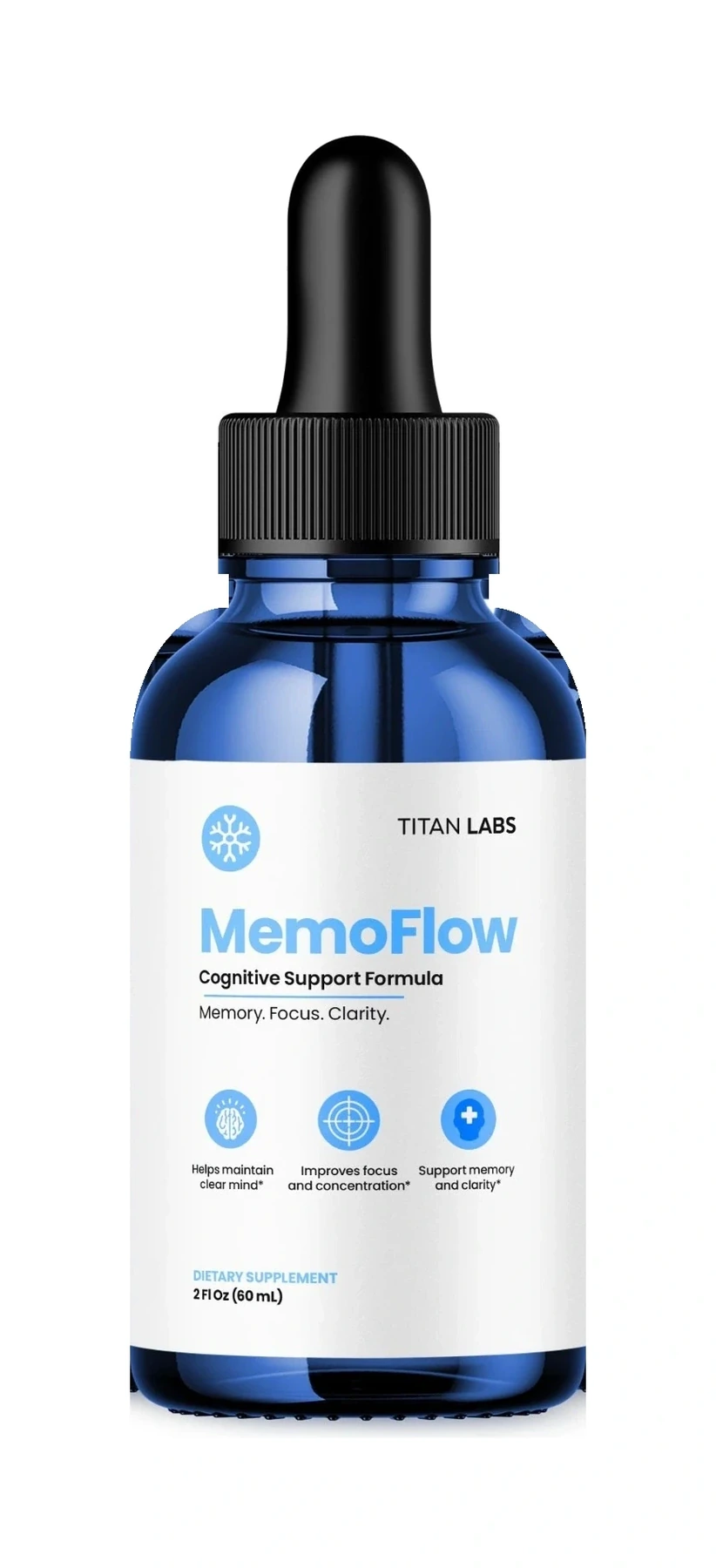
Gotu kola is one of six herbs in MemoFlow. See the full label before you buy.
See today’s priceQuestions to ask before trying it
- Do I have any liver condition, or drink heavily?
- Do I take several prescription medicines?
- Am I pregnant or breastfeeding?
- Is the change in my memory new, or getting worse? Then a doctor comes first.
- Are the amount and the type of extract printed on the product?
If any of those answers makes you hesitate, speak with your doctor or pharmacist before you start.
Gotu kola vs. other “brain herbs”
Gotu kola is only one of the herbs sold for memory; bacopa, ginkgo and lion’s mane are others. Each has its own mixed evidence, none is a proven memory treatment, this article does not review them, and none of them is in MemoFlow.
For all of them the practical test is the same: a printed amount, a named extract and modest claims, with your doctor kept in the loop.
| Herb | In MemoFlow? |
|---|---|
| Gotu kola | Yes, amount not published |
| Bacopa | No |
| Ginkgo | No |
| Lion’s mane | No |
Keeping track if you try it
Each week, score focus, memory slips and sleep from 1 to 5. After four weeks, look at the direction of travel; if none of the numbers has moved, the herb is probably doing little for you.
Where the “memory herb” idea came from
Traditional systems used gotu kola as an all-round tonic for nerves and skin, and credited it with long life and a calm mind. Later lab and animal work on its compounds and their effect on nerve cells helped spread that reputation.
For a buyer, human trials are what count, and that is exactly where the evidence remains thin. Until bigger trials show a clear benefit, memory claims for gotu kola are best treated as unproven.
A note on names
Other names for gotu kola are Indian pennywort and Asiatic pennywort. It has nothing to do with the kola nut in cola drinks, and it contains no caffeine.
Gotu kola and skin
A large part of the research on gotu kola is really about skin and wound healing, often with creams instead of pills, and that is where most of the reported rashes and contact dermatitis come from. If your skin is sensitive and a rash appears after you start a gotu kola product, stop and ask a doctor.
The bottom line
Gotu kola has an old traditional reputation for the mind, yet today’s evidence does not show that it reliably improves memory. It is usually used safely, but keep the rare liver reports and the possible drug interactions in mind.
Sources used for this article
- Memorial Sloan Kettering Cancer Center. Gotu Kola (About Herbs). MSK integrative medicine database. Checked September 22, 2026.
- National Center for Complementary and Integrative Health. Horse Chestnut: Usefulness and Safety. NCCIH, updated April 2025. Checked September 22, 2026.
- Memorial Sloan Kettering Cancer Center. Butcher's Broom (About Herbs). MSK integrative medicine database. Checked September 22, 2026.
Questions on this topic
The full FAQ page has more answers.
Does gotu kola improve memory?
MSK reports that a meta-analysis found the evidence for cognitive function too weak.
Is gotu kola safe?
Usually, though rare liver toxicity has been reported and it may interact with some medicines.
How much gotu kola is in MemoFlow?
The amount is not published; it is one of six herbs sharing a 195 mg blend.
Can gotu kola cause a rash?
It can: skin rash and contact dermatitis are both listed side effects.
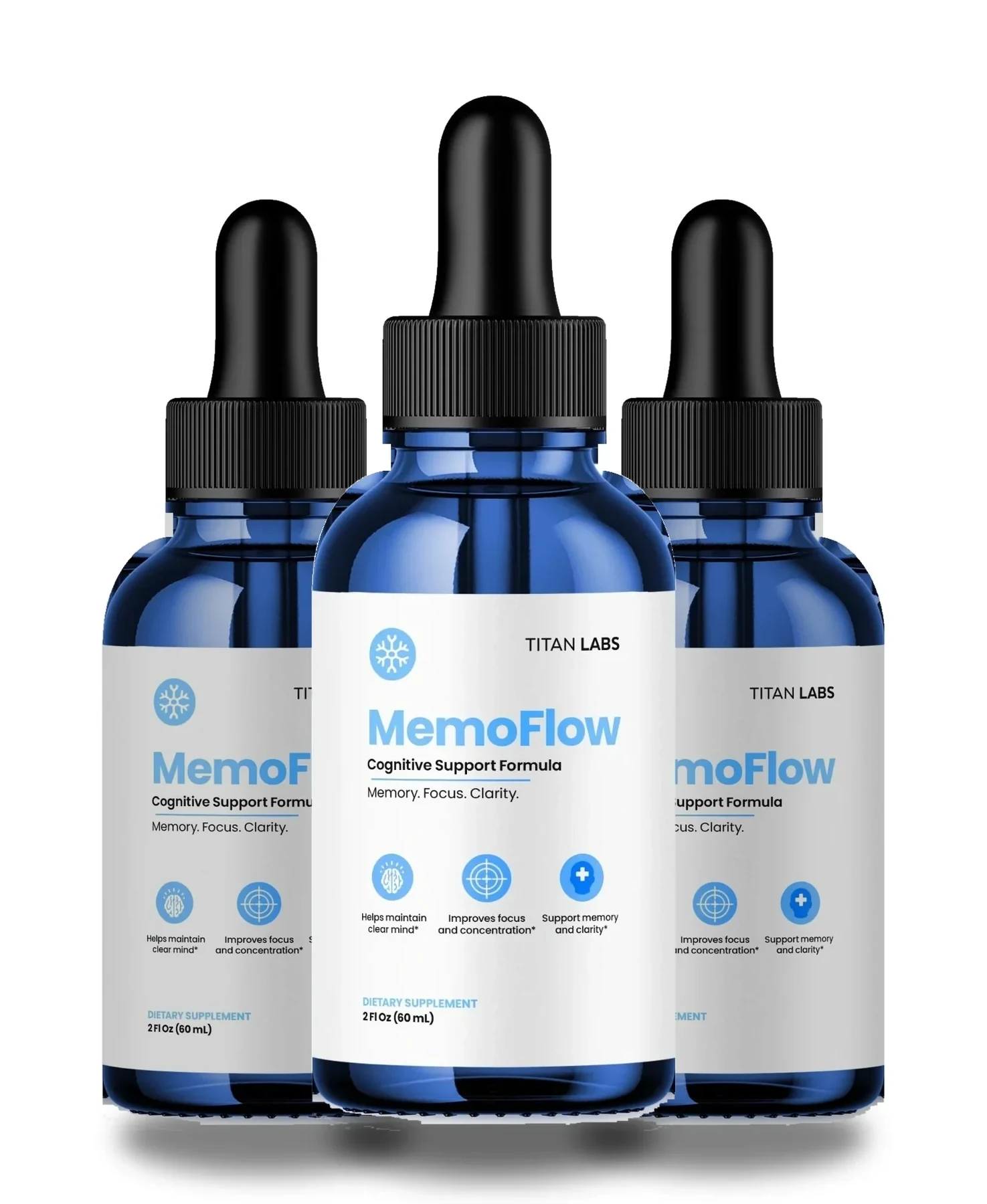
Ready to try MemoFlow?
Choose a pack and the checkout shows the price. The money-back guarantee follows the terms printed on the listing. Want to ask something first? The contact page explains who answers what.
MemoFlow is sold here through a U.S. stocking partner. This site is not the maker, and it is paid when you buy.More MemoFlow pages
What a 195 mg blend means
What a 195 mg proprietary blend on a supplement label means: how blends work, the math acr…
Go to page →Circulation herbs and the brain
Horse chestnut, butcher’s broom, hawthorn and grape seed in brain supplements: what each i…
Go to page →MemoFlow ingredients
The six herbs in the 195 mg blend.
Go to page →