U.S. stocking partner for MemoFlowU.S. stocking partner2 ml once daily - 30 servings per bottleMoney-back guaranteeMoney-back guaranteeLot MEM-26/GO-4080

Official product information

What Is in MemoFlow? The Full Ingredient List

By the MemoFlow Editorial Desk at Gomemoflow · Checked by Dr. Patricia McKeon, neuropsychologist · Updated

Quick answer

Each 2 ml dose of MemoFlow carries a 195 mg blend of six plant extracts.

Grape seed is listed first and butcher’s broom last, with horse chestnut, motherwort, hawthorn berry and gotu kola between them. Water, glycerin and stevia make up the base.

Next, see how the blend is meant to work.

The MemoFlow ingredient list, from the label

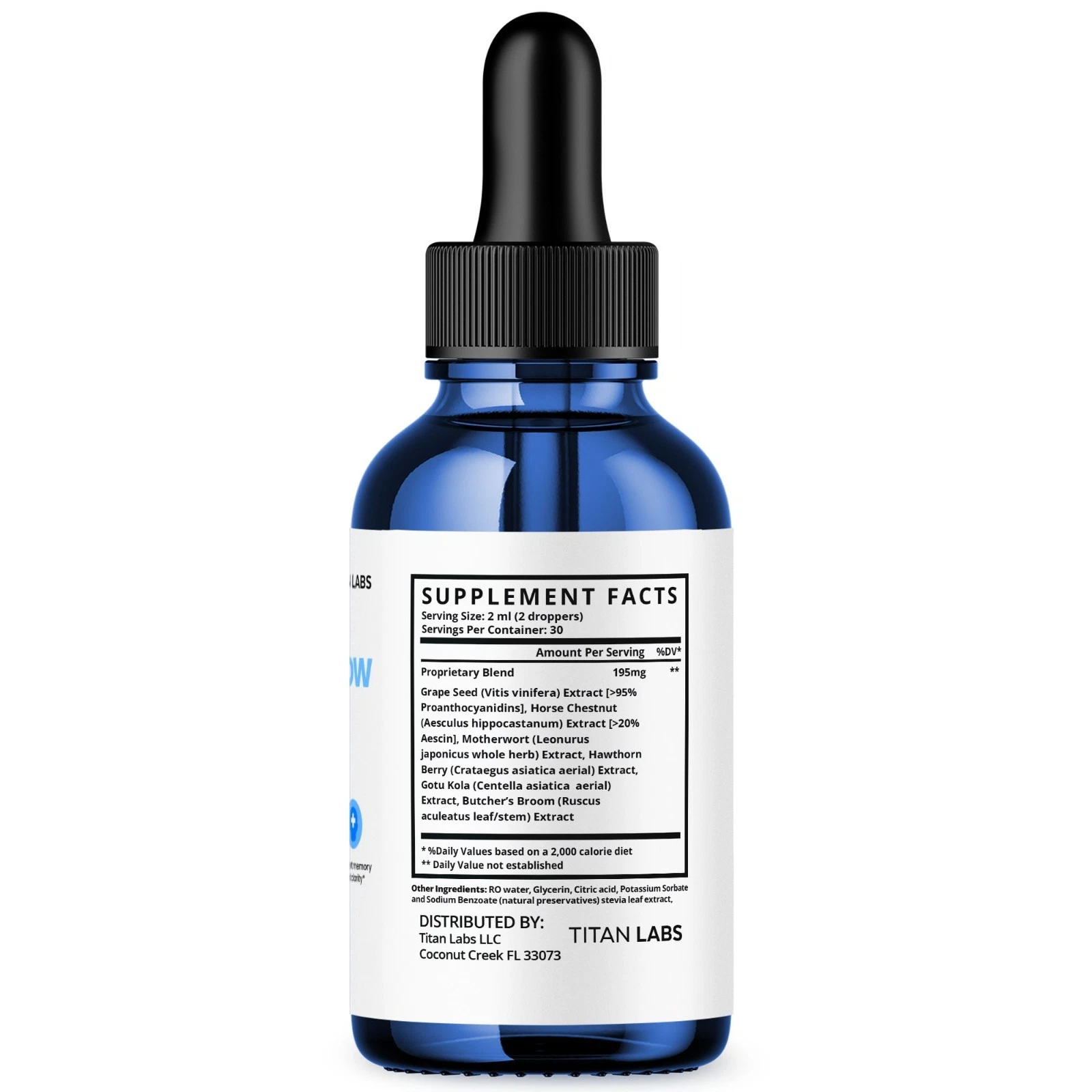
The Supplement Facts panel shows one of 195 mg in every 2 ml serving, holding six herbal extracts in the order below. Label rules list a blend from heaviest to lightest, so grape seed is the biggest share and butcher’s broom the smallest.

How much of each herb goes into the blend is not on the label.

MemoFlow Supplement Facts panel
Back of the bottle: a 2 ml serving, 30 servings and the 195 mg proprietary blend.
Blend total: 195 mg. %DV not established.
#ExtractBotanical name and partStandard
1Grape seed extractVitis vinifera>95% proanthocyanidins
2Horse chestnut extractAesculus hippocastanum>20% aescin
3Motherwort extractLeonurus japonicus, whole herb—
4Hawthorn berry extractCrataegus asiatica, aerial—
5Gotu kola extractCentella asiatica, aerial—
6Butcher’s broom extractRuscus aculeatus, leaf/stem—

Each MemoFlow herb, one by one

What it is, what research says and what to watch for.

Circulation

Grape seed extract

Vitis vinifera · >95% proanthocyanidins

  • Made from wine-grape seeds, with over 95% proanthocyanidins on this label.
  • In a 2022 review of 19 studies, diastolic blood pressure came out lower.
  • A 2020 analysis suggested it might help LDL cholesterol.
  • The sources we checked do not cover it as a memory supplement.

Watch for: Usually well tolerated. Source: NCCIH fact sheet: Grape Seed Extract.
Circulation

Horse chestnut extract

Aesculus hippocastanum · >20% aescin

  • A seed extract held to over 20% aescin, the main active compound.
  • According to a 2012 review, it can ease the symptoms of chronic venous insufficiency, where circulation in the leg veins is poor.
  • In one study it did about as well as compression stockings.
  • Studied short-term, up to 12 weeks.

Watch for: The raw seeds, bark, flowers and leaves are poisonous, so only processed seed extract is used. Possible dizziness, upset stomach, headache or itching. Source: NCCIH fact sheet: Horse Chestnut.

Heart (traditional)

Motherwort extract

Leonurus japonicus, whole herb

  • The whole Leonurus japonicus plant, an herb from East Asian tradition.
  • Traditionally used for heart and women’s health.
  • We found no reviewed summary from a government body or cancer center that we could open, so we make no claim either way.

Watch for: Check with a doctor, above all in pregnancy or if you take heart medicine.

Heart

Hawthorn berry extract

Crataegus asiatica, aerial

  • The label names the aerial parts of Crataegus asiatica.
  • According to NCCIH, there is little or no good evidence for most of its uses.
  • Conflicting evidence in heart failure.
  • Safety not studied beyond 16 weeks.

Watch for: Dizziness, nausea, vomiting, diarrhea and muscle pain, and a possible interaction with heart drugs such as digoxin. Source: NCCIH fact sheet: Hawthorn.

Mind (marketed)

Gotu kola extract

Centella asiatica, aerial

  • The aerial parts of Centella asiatica, promoted for circulation, wound healing and thinking.
  • For thinking and memory, a meta-analysis found the evidence too weak to rely on.
  • Larger, well-designed studies are needed.

Watch for: Skin rash and rare reports of liver toxicity; it may also change how some drugs are broken down (CYP450). Source: MSK About Herbs: Gotu Kola.

Circulation

Butcher’s broom extract

Ruscus aculeatus, leaf/stem

  • Leaf and stem of Ruscus aculeatus.
  • Small trials report a benefit for chronic venous insufficiency in the legs.
  • Long-term safety and effectiveness are not known.

Watch for: Diarrhea and itching. Memorial Sloan Kettering advises against it for anyone with diabetes, because ketoacidosis has been reported. Source: MSK About Herbs: Butcher's Broom.

MemoFlow’s blend size and how it matches the claims

Two points matter most. The first is quantity: six herbs share 195 mg, roughly 33 mg each on an even split, and the true split is not published. The second is fit: horse chestnut and butcher’s broom are leg-vein herbs, hawthorn and motherwort are heart herbs, and grape seed is studied for blood pressure. Gotu kola alone is sold for the mind, and its evidence there is limited.

The formula appears to rest on the idea that better circulation helps the brain. As a theory that is fair, but a theory is not evidence that these herbs improve memory or focus.

Other ingredients

IngredientIts job
RO waterPurified water; the liquid base
GlycerinSweet-tasting liquid that helps extract and carry the herbs
Citric acidAdjusts acidity and flavor
Potassium sorbate, sodium benzoatePreservatives (the label calls them natural preservatives)
Stevia leaf extractSweetener; no sugar listed

No alcohol, caffeine, vitamins or minerals are listed.

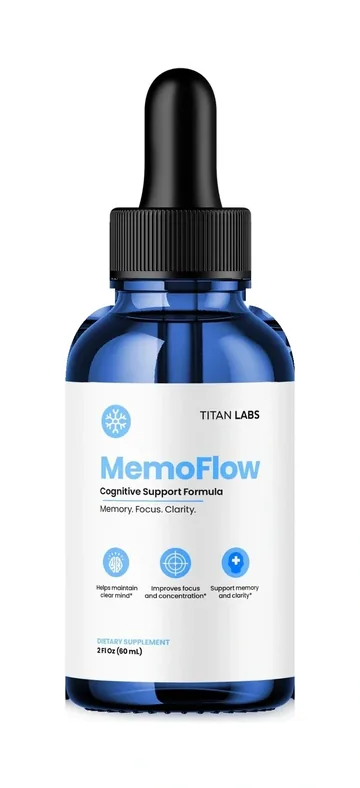
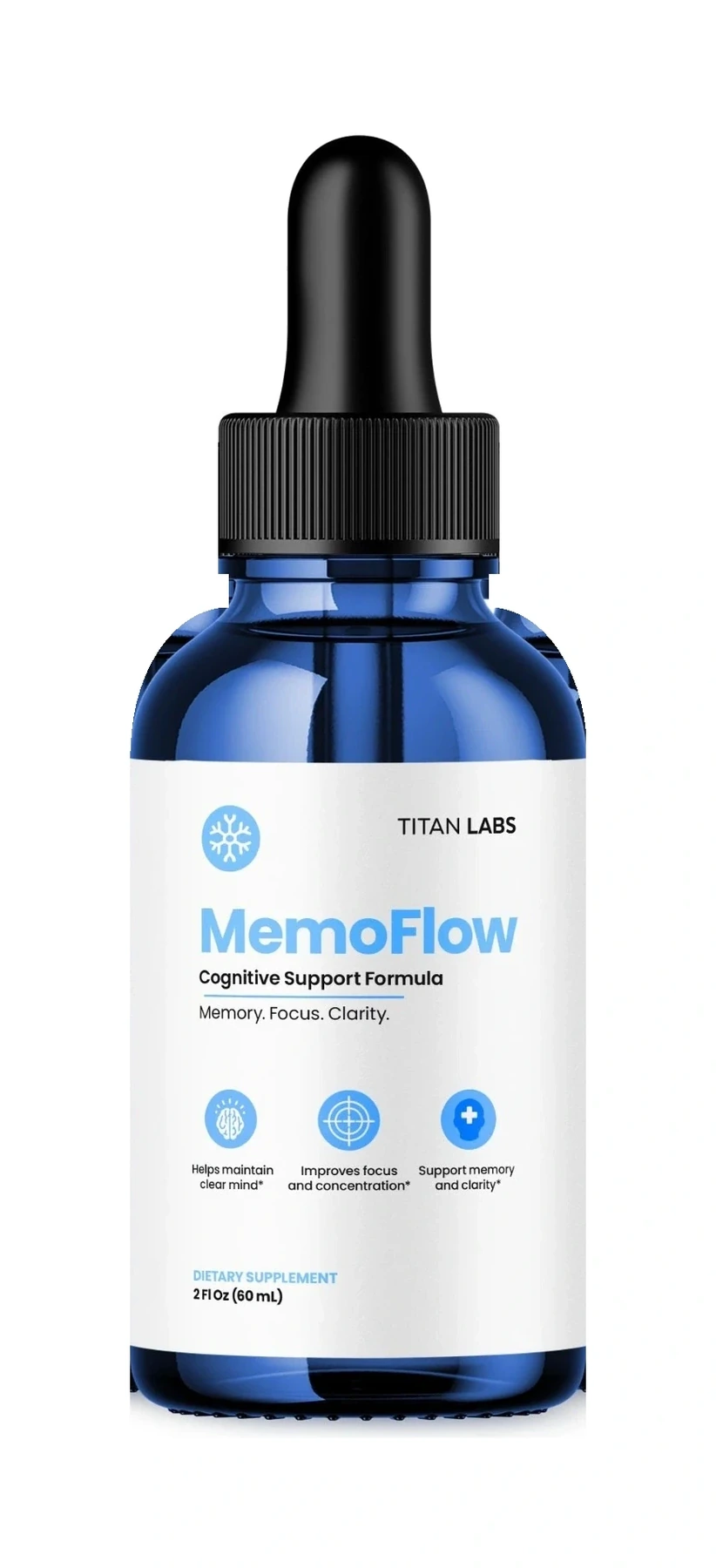
One bottle of MemoFlow drops

Want to read the label in person? Start with one bottle of MemoFlow.

See today’s price

MemoFlow ingredients: questions

The full FAQ page has more answers.

What are the ingredients in MemoFlow?

One 195 mg proprietary blend of six extracts: grape seed, horse chestnut, motherwort, hawthorn berry, gotu kola and butcher’s broom.

How much of each herb does MemoFlow contain?

That is not on the label, which prints only the 195 mg blend total. An even split would be about 33 mg per herb, but the real proportions are not published.

Does MemoFlow contain sugar?

No sugar is listed; it is sweetened with stevia leaf extract and also contains glycerin. The other ingredients in full: RO water, glycerin, citric acid, potassium sorbate and sodium benzoate (natural preservatives) and stevia leaf extract.

Is MemoFlow alcohol-based?

None is listed. The liquid base is RO (purified) water with glycerin.

Does MemoFlow have side effects?

The label lists none, but the herbs have known ones: dizziness or an upset stomach with horse chestnut, dizziness and nausea with hawthorn, and rare liver reports with gotu kola.

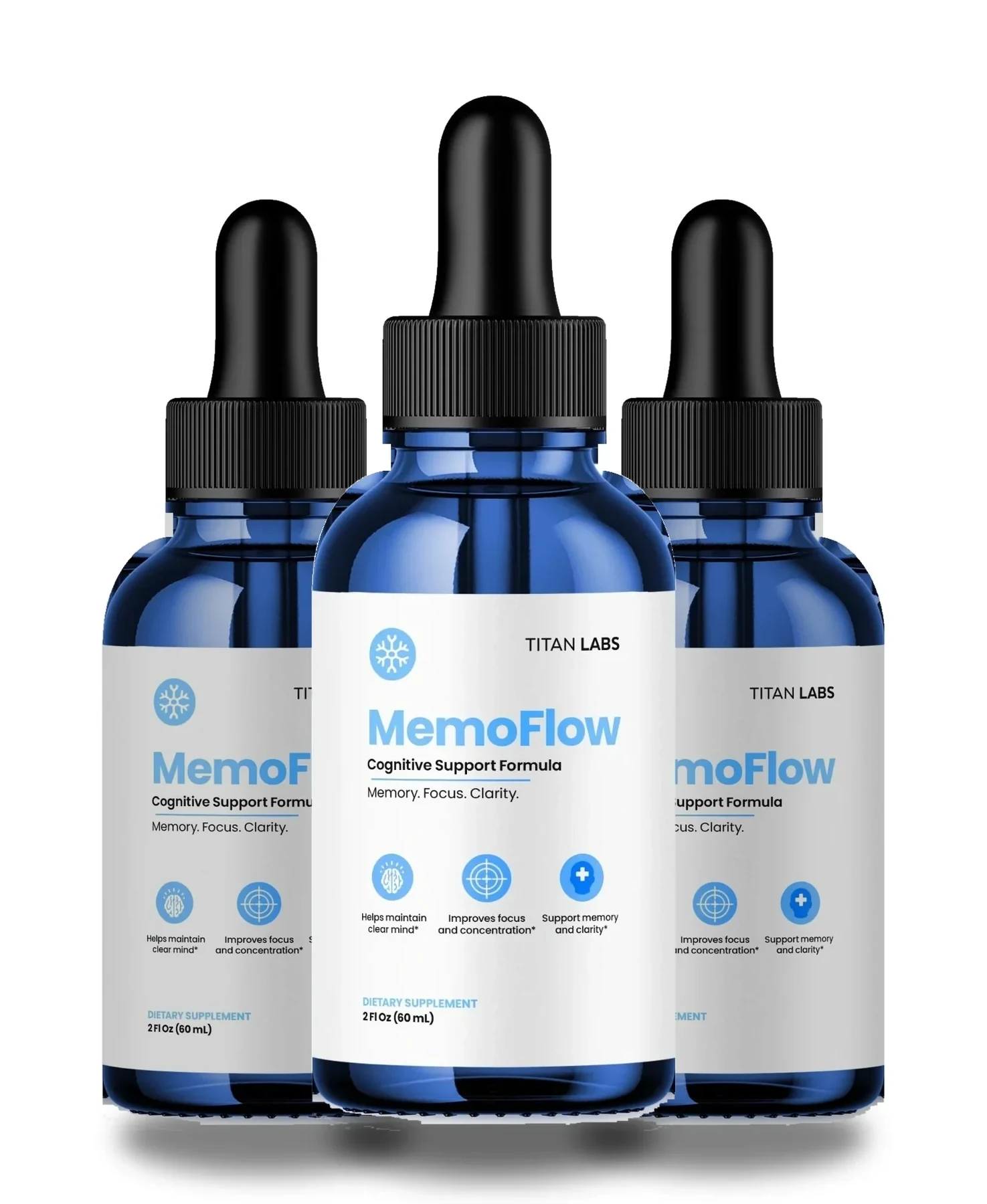
Three bottles of MemoFlow cognitive support drops

Ready to try MemoFlow?

Choose a pack and the checkout shows the price. The money-back guarantee follows the terms printed on the listing. Want to ask something first? The contact page explains who answers what.

MemoFlow is sold here through a U.S. stocking partner. This site is not the maker, and it is paid when you buy.

MemoFlow · 2 ml daily30 servings per bottle

Add To Cart